
Introduction: The Missing Piece of the Longevity Puzzle
Every dog owner dreams of giving their furry best friend the longest, healthiest life possible. We meticulously choose their food, ensure they get plenty of exercise, and shower them with affection. But what if the secret to a longer life isn’t just about physical health? What if we told you there’s a crucial, often overlooked, ingredient to canine longevity that goes beyond the daily walk? It’s mental stimulation, and it’s a game-changer for your dog’s cognitive health and overall well-being.
Recent veterinary research suggests that mental stimulation is a game-changer for canine longevity. Just like humans, a dog’s brain needs a “workout” to prevent cognitive decline. At HelpMyPets.org, we advocate for holistic pet care that nurtures the mind as much as the body. Neglecting their mental needs can lead to boredom, destructive behaviors, and even accelerate cognitive decline as they age.
The Science: Why a “Brain Workout” Extends Life
Physical exercise benefits the heart and joints, but mental exercise targets the nervous system. When dogs solve puzzles or learn new cues, their brains create new neural pathways.
- Neuroplasticity: Engaging the brain promotes the growth of new neurons, which helps buffer against Canine Cognitive Dysfunction (CCD)—essentially “doggy dementia.”
- Stress Reduction: Mental work releases dopamine and reduces cortisol. Lower cortisol levels mean less systemic inflammation, a primary driver of aging and disease.
Every dog owner dreams of giving their furry best friend the longest, happiest, and healthiest life possible. We meticulously choose their food, ensure they get plenty of exercise, and shower them with affection.
Just like humans, a dog’s brain needs regular workouts to stay sharp. Neglecting their mental needs can lead to boredom, destructive behaviors, and even accelerate cognitive decline as they age. At helpmypets.org, we believe in holistic pet health, and that includes nurturing your dog’s mind.
The Unseen Power of a Busy Brain: Why Mental Stimulation Matters
Physical exercise is undeniably vital for your dog’s heart, joints, and weight management. However, mental exercise taps into different, equally important, systems. When dogs engage in problem-solving, sniffing, or learning, their brains are actively firing, creating new neural pathways, and releasing beneficial neurochemicals like dopamine.
This isn’t just about preventing boredom; it’s about genuine cognitive health for dogs. Research shows that mentally enriched environments can slow the progression of Canine Cognitive Dysfunction (CCD), often referred to as “doggy dementia.” A mentally active dog is a happier, less stressed, and ultimately, a healthier dog.
1. Ditch the Bowl: Transforming Mealtime into a Brain Game
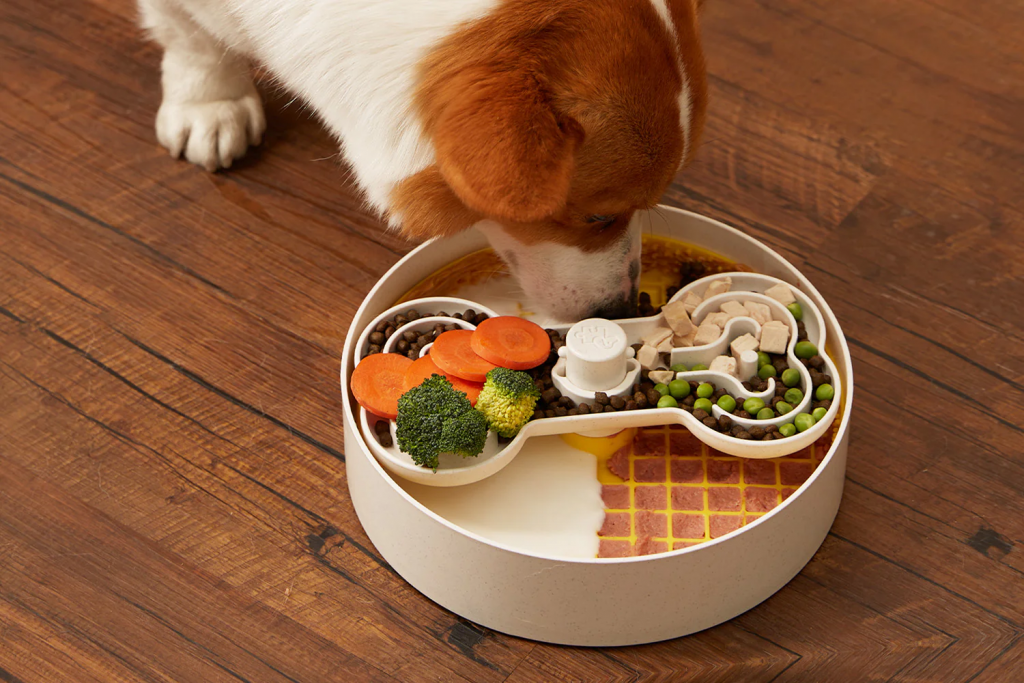
One of the easiest and most impactful ways to introduce daily mental stimulation is to “ditch the bowl.” Think about it: in the wild, dogs (and their ancestors) would spend significant time foraging and hunting for food. Eating from a static bowl takes less than a minute and offers zero mental engagement. This can lead to what’s called “learned helplessness” – a dog who never has to work for anything.
The Solution: Invest in puzzle feeders, slow feeders, or treat-dispensing toys. These simple tools turn mealtime into a stimulating challenge. Your dog has to nudge, paw, or manipulate the toy to get their kibble, engaging their problem-solving skills and natural foraging instincts. This not only slows down their eating (great for digestion!) but also provides a satisfying mental workout that can reduce stress and anxiety.
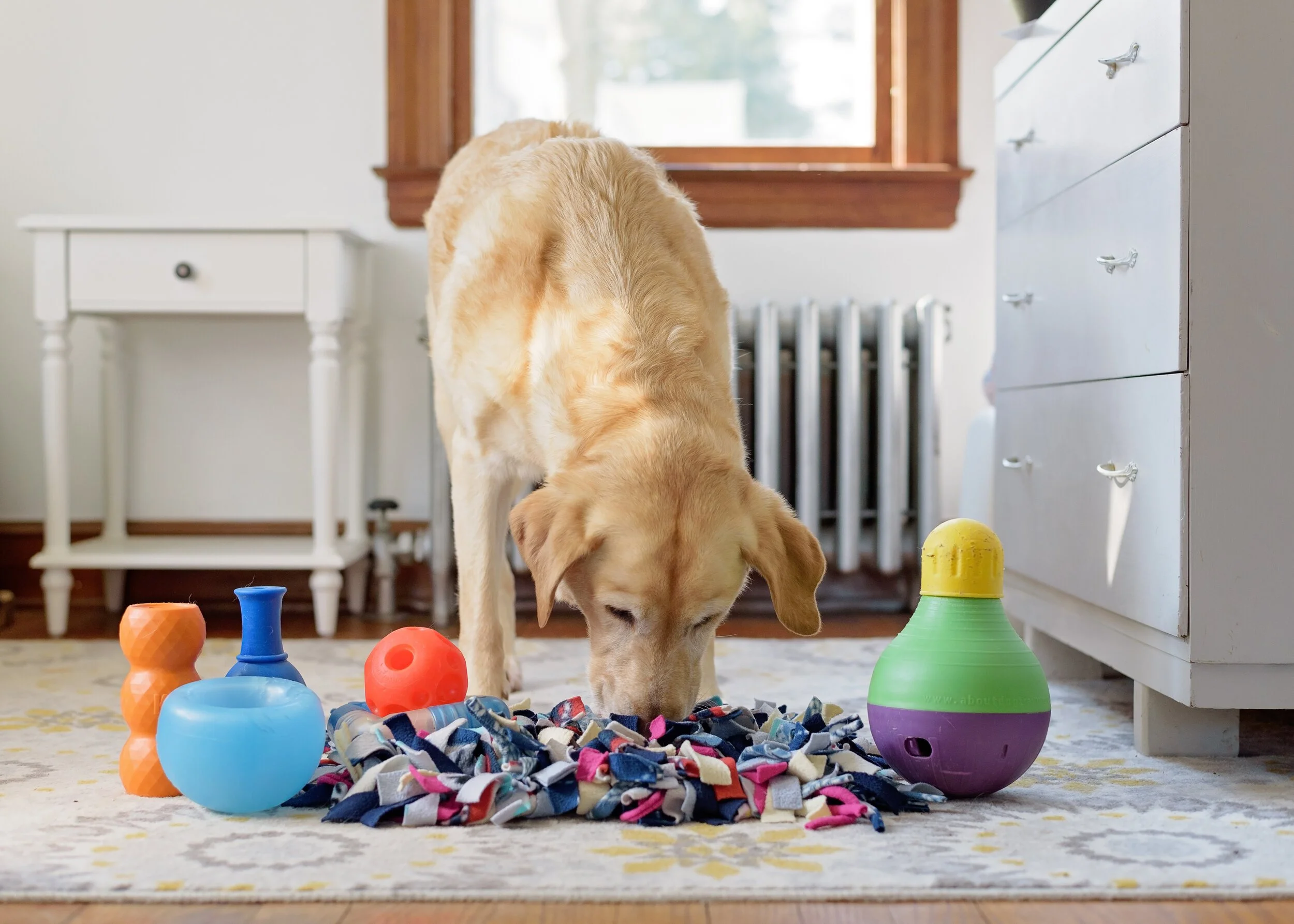
- The Strategy: Replace the bowl with puzzle feeders or snuffle mats.
- The Benefit: Slowing down mealtime prevents bloating and forces your dog to use problem-solving skills, turning a mundane chore into the highlight of their day.
2. The Power of the “Sniffari”: Letting Their Nose Lead the Way
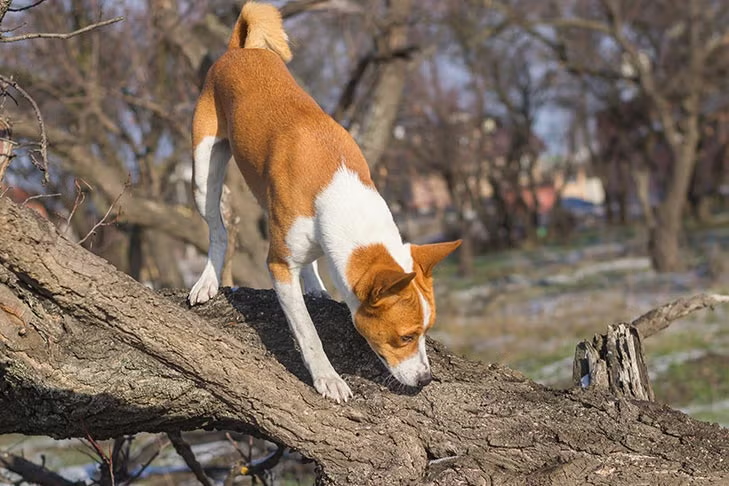
We often view walks as a way to get from Point A to Point B or to ensure our dogs get their steps in. However, for a dog, the world is primarily experienced through their sense of smell. A dog’s olfactory cortex—the part of the brain dedicated to processing smells—is about 40 times larger than ours. When we pull them away from a scent to keep moving, it’s like someone turning off the TV right as a movie reaches the climax.
What is a Sniffari? A “Sniffari” is a walk where your dog is the navigator. Instead of focusing on distance or speed, the goal is total sensory immersion. You follow their lead (within safety limits), allowing them to stop and sniff that fire hydrant or patch of grass for as long as they want.
Why it boosts longevity:
- Lowering Cortisol: Studies have shown that sniffing lowers a dog’s heart rate and reduces cortisol (the stress hormone). Chronic stress is a major contributor to inflammation and disease in aging pets.
- Mental Exhaustion: Twenty minutes of intense sniffing is more mentally taxing—and rewarding—than an hour of brisk walking. It tires them out in a “good” way, leading to deeper, more restorative sleep.
- Cognitive Processing: Every scent tells a story—who was there, what they ate, and how they were feeling. Processing this information keeps the brain active and engaged with the environment.
“Decompression walks” or “Sniffaris” are proven to lower heart rates more effectively than a high-speed run.
3. DIY Brain Games: Low-Cost Enrichment at Home
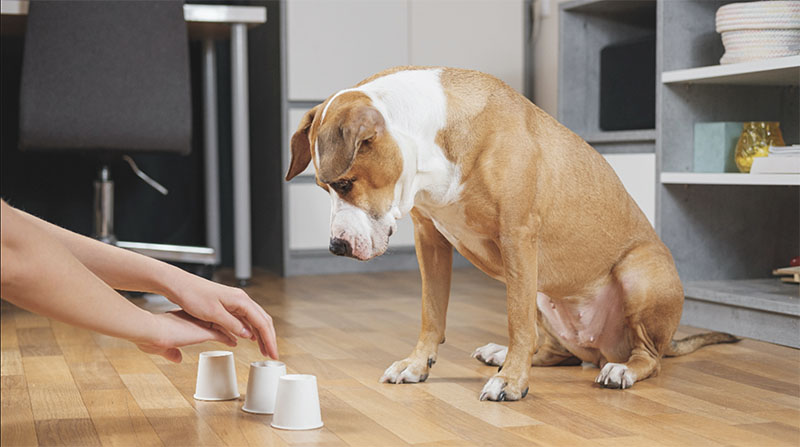
You don’t need expensive gadgets to give your dog a mental workout. You can use common household items to create brain games for dogs that challenge their intellect and strengthen your bond.
- The Muffin Tin Puzzle: Turn a muffin tin upside down. Place small, high-value treats in the gaps between the mounds, or place the tin right-side up, put treats in the cups, and cover each cup with a tennis ball. Your dog has to figure out how to remove the balls to reach the reward.
- The “Towel Burrito”: Lay a beach towel flat, sprinkle treats across it, and roll it up tightly. Your dog will have to use their nose and paws to unroll the towel and “forage” for the hidden snacks.
- Shell Game: Take three opaque plastic cups and hide a treat under one. Shuffle them around and encourage your dog to “find it.” This builds focus and reward-association.
4. Training as a Lifelong Tool

Many owners stop training once their dog learns “Sit” and “Stay.” However, continuing to learn new cues or even “useless” fun tricks is vital for senior dog care. It reinforces the idea that learning is rewarding. Even a 10-minute training session a few times a week acts as a powerful “brain gym,” keeping those neural connections firing well into their golden years.
Advanced Enrichment: The Concept of “Choice”
One often overlooked aspect of mental health is agency. Dogs have very few choices in their lives—we decide when they eat, sleep, and walk.
- How to provide choice: Offer two different toys and let them pick. During a walk, let them choose whether to go left or right. Giving a dog a sense of control over their environment reduces anxiety and builds confidence, contributing to a more resilient immune system.
Expert Pro-Tips for Maximum Longevity
- Rotate Toys: Don’t leave all toys out at once. Rotate them weekly so they always feel “new.”
- Auditory Stimulation: Use “Through a Dog’s Ear” or calming bio-acoustic music to reduce environmental stress when you aren’t home.
- Social Enrichment: If your dog is social, “parallel walking” with another dog provides complex social cues that keep the brain firing.
Conclusion: A Sharper Mind for a Longer Life
Helping your dog live a healthier life isn’t just about what’s in their bowl or how many miles they run; it’s about the quality of their mental world. By incorporating “Sniffaris,” puzzle feeders, and DIY brain games, you are actively protecting your dog against cognitive decline and stress-related illnesses.
At helpmypets.org, we want to see every pet thrive. Start small today—let them sniff that extra leaf, or hide a treat in a cardboard box—and watch their confidence and vitality grow.